Amynha: A Modern Script Font
Choosing the right font for a blog header can feel like selecting the perfect accessory for an outfit—every detail matters. When I was redesigning a lifestyle blog, I found myself drawn to Amynha, a modern script font that brought a touch of elegance and personality to the project. Its flowing lines and balanced structure made it ideal for headlines and decorative elements without overwhelming the reader.
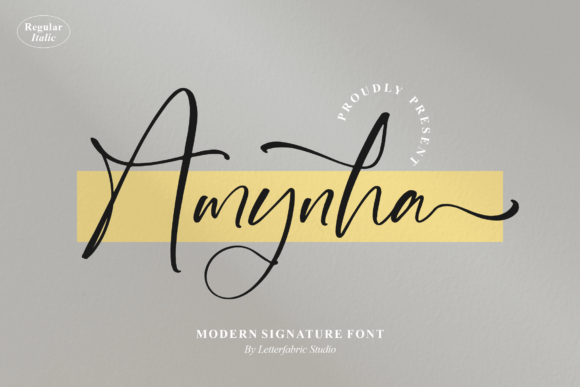
Amynha has a distinct visual character that blends contemporary design with a handwritten warmth. The curves are smooth yet expressive, giving it a sense of movement that feels both refined and approachable. This makes it particularly well-suited for editorial projects where a personal touch is desired. Whether used in a magazine cover or a printable planner, Amynha adds a layer of sophistication that stands out without being too flashy.
Editorial Mood and Publication Identity
In editorial design, the choice of typography plays a crucial role in setting the tone. Amynha’s personality aligns well with lifestyle, fashion, and creative content, where a more expressive typeface can enhance the overall aesthetic. For a recipe ebook, for instance, using Amynha for chapter titles or pull quotes creates a cohesive visual language that complements the content’s theme.
When paired with a clean serif or sans serif font for body text, Amynha becomes a powerful tool for establishing brand identity. It works especially well in digital magazines or newsletters, where a strong visual hierarchy is essential. The font’s rhythm and spacing allow it to stand out as a headline while maintaining readability across different formats, from mobile screens to printed materials.
Realistic Editorial Use Cases
Testing Amynha in a wedding guide project revealed its versatility. As a heading for sections like “Venue Ideas” or “Wedding Vendors,” it provided a soft yet confident presence. In a coaching workbook, it was effective for section openers and motivational quotes, offering a balance between professionalism and personal expression.
For a printable planner, Amynha added a custom feel that made the product more appealing. Its fluidity made it ideal for headers and decorative accents, while its legibility ensured that users could easily read the content without strain. In a course PDF, it worked well for title pages and key takeaways, reinforcing the educational aspect of the material.
Readability and Practical Considerations
While Amynha excels as a display font, it’s important to consider its suitability for different reading contexts. On smaller screens or in dense paragraphs, its ornate details may reduce clarity. For this reason, it’s best reserved for titles, headings, and short phrases rather than extended body text.
When used in print materials like t-shirts or packaging, Amynha maintains its charm, but designers should ensure that the font size and spacing are optimized for legibility. For web use, testing the font on various devices and browsers helps confirm that it renders consistently and remains accessible.
Font Pairing and Design Assets
Amynha pairs well with complementary fonts that offer contrast and clarity. A classic serif font like Georgia or Baskerville can provide a stable foundation for body copy, while a simple sans serif like Lato or Open Sans works well for captions and navigation elements. This combination ensures that the design remains visually engaging without sacrificing readability.
Before integrating Amynha into a project, it’s wise to review the available styles, alternates, and ligatures. These features can add depth and variation to the design, making the font more adaptable for different editorial needs. Checking multilingual support and file formats is also important, especially for international publications or digital downloads.
As a premium font, Amynha offers value for creators looking to elevate their design work. Its inclusion in a font library can expand the range of typographic options available for branding, packaging, and content layout. Whether used in a newsletter header or a book cover, Amynha brings a modern, artistic flair that enhances the overall visual experience.
Conclusion
Amynha is a versatile and expressive script font that fits well within modern editorial design. Its balance of elegance and approachability makes it suitable for a wide range of applications, from blog headers to printable guides. By understanding its strengths and limitations, designers can effectively incorporate it into their projects while maintaining clarity and consistency.